
Civil rights fights always look obvious in hindsight.
We look back at battles over free speech, voting rights, or internet access and think, Of course people should have that. But in the moment, these fights are messy, unpopular, and often dismissed as “overblown.”
Neural privacy—the right to keep the thoughts in your head from being read, decoded, or manipulated—is about to be India’s next big civil rights front. And we’re not ready.
The Technology Is Already Here
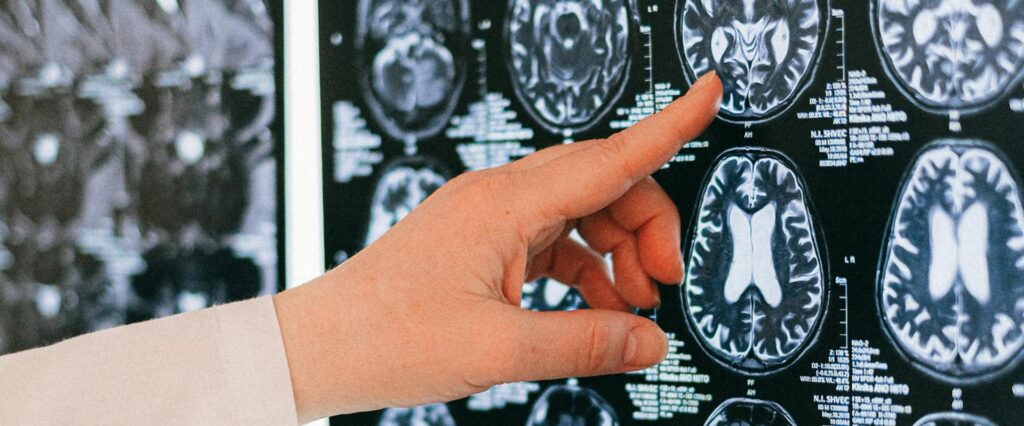
This isn’t science fiction. Brain-computer interfaces (BCIs) can already detect emotional states, decode basic visual imagery, and trigger responses through neural stimulation. Today they’re marketed as medical breakthroughs—helping paralysed patients move a cursor or speech-impaired people communicate.
But the same tech that lets a patient type a sentence without moving their lips can, in theory, extract your thoughts without your consent.
The certainty is unsettling: we are moving from “data privacy” to “mind privacy.” And once that barrier falls, you can’t put the genie back in the skull.
The Indian Context
India has fought—and is still fighting—its share of privacy battles. The Aadhaar debate, the DPDP Act, the push for data localisation. Each step was about who controls information and for whose benefit.
Neural data is different. It’s not just about you—it is you. Your memories, your intentions, your subconscious biases. Losing control over that isn’t just a privacy breach—it’s an identity breach.
We already know what happens when tech moves faster than the law: citizens scramble, companies exploit, and courts take years to catch up. This time, the stakes are higher because the invasion would be literally in our heads.
Why Startups Will Lead the Charge (and the Problem)
India’s health tech and neurotech startups will push hard into BCIs, because early adoption means patents, market share, and global attention. The status reward for being “India’s first Neural Interface Unicorn” will overshadow the quiet voices asking about safeguards.
And the investors? They’ll want speed. Regulation slows exits. Ethics slows sprints. In that rush, “informed consent” could shrink to a checkbox nobody reads, while sensitive neural data flows into servers with little oversight.
The Corporate Temptation
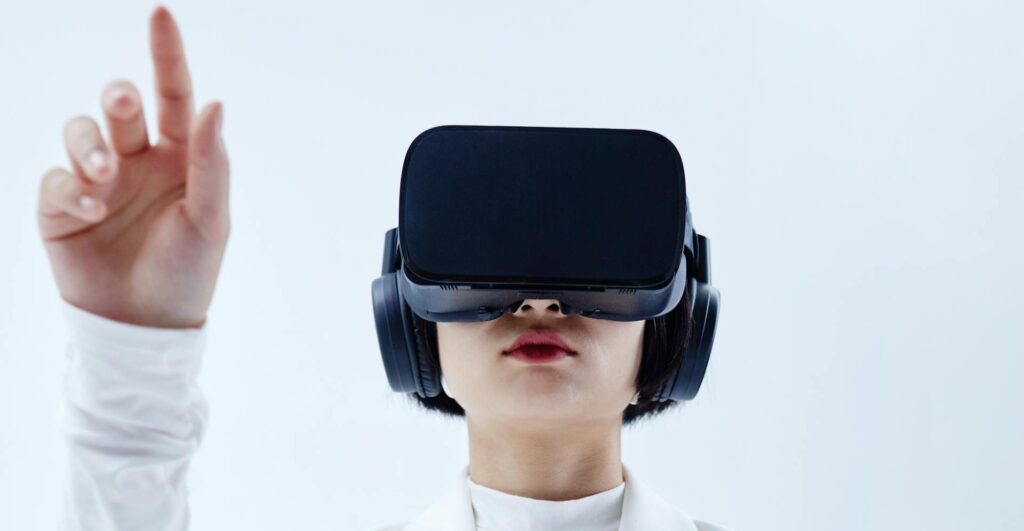
Imagine wearing a “focus headset” sold as a productivity booster. It tracks your brainwaves to help you concentrate. But the company also uses aggregated neural patterns to profile users—selling insights on how you respond to ads, political messages, or even romantic cues.
You get a small benefit. They get the blueprint to your cognitive responses. That’s not fairness—it’s asymmetry disguised as convenience.
In a country with over a billion people, even a fraction of neural data leakage could reshape politics, marketing, and social engineering in ways we can’t reverse.
The Government’s Double Role
Governments can be both protectors and predators in the neural privacy story. On one hand, India could set global standards for ethical neurotech use, embedding privacy protections before the market matures. On the other, law enforcement and intelligence agencies will see obvious applications for “thought decoding” in national security, counter-terrorism, or crime prevention.
The certainty we need is this: any framework must apply equally to state and corporate actors. Rights that vanish in the name of security are rarely restored intact.
The Psychological Cost
Privacy violations today feel external—your phone listens, your location is tracked, your chats are scraped. Neural privacy violations would be internal.
The idea that someone could know your private thoughts changes behaviour even before it happens. People self-censor, avoid dissent, and internalise surveillance. It erodes relatedness because you no longer trust that your mind is truly yours when speaking, working, or even loving.
What India Needs to Do Now
The window to act is small. Here’s what we need before neural tech goes mainstream:
- Explicit Legal Protection — Amend the DPDP Act or create a Neural Privacy Bill defining neural data as the most sensitive class of personal data.
- Informed Consent Standards — Beyond checkboxes; require proof that users understand what’s collected and why.
- Local Data Sovereignty — Keep neural data within India’s jurisdiction to prevent opaque foreign access.
- Right to Cognitive Freedom — Enshrine in law the right to think without surveillance or manipulation.
This is about autonomy—ensuring individuals control their mental data, not platforms or governments.
The Global Stakes
Neural privacy isn’t just a national issue; it’s a geopolitical one. Whoever sets the ethical and legal standards early will influence how the rest of the world treats brain data.
India could be that leader. Our digital public infrastructure, our recent privacy legislation, and our active civil society give us a platform. The status of being the country that safeguards the last frontier of privacy could be as transformative as our IT boom.

The Civil Rights Test of Our Generation
When our grandchildren look back, neural privacy might seem as fundamental as the right to vote or the right to free speech. But right now, it’s invisible to most—buried under the excitement of “mind-controlled devices” and “thought-to-text breakthroughs.”
Civil rights fights don’t start when everyone agrees they’re important. They start when a small group insists on protections before the harm becomes normal.
The fight for neural privacy is about more than tech. It’s about defending the last safe space we have—the one inside our heads. And in India, that fight starts now, before someone else decides what’s fair to think.