
The Pitch Deck Was Clean. The Reality Wasn’t.
It started like every high-stakes build does — with optimism.
We were building an AI-powered healthcare chatbot. A product that could read prescriptions, understand symptoms in Hinglish, pull insights from lab reports, and route users to the right doctor — all while staying DPDP-compliant.
Simple on the slide deck. Brutal in the trenches.
By Month 2, our OCR engine was choking on low-resolution scans. The NLP model couldn’t distinguish between “BP” and “B.P.” (Bachelor of Pharmacy). And when we tested voice input in Tier 2 cities, the system mistook “dard ho raha hai” for “dur ho gaya hai.”
But here’s the twist: We didn’t fail.
We shipped. We learned. We survived.
Why? Because of one quiet, undeniable truth:
Indian tech talent is wildly underrated — until it’s trusted.
For decades, Indian engineers were seen as backend support — not product architects. But when you flip the power dynamic and make them owners, not order-takers, the output transforms.
The Code Isn’t the Hard Part. Context Is.
When we hit our first real wall — processing messy prescriptions — it wasn’t a TensorFlow issue. It was cultural context.
A Western-trained model couldn’t make sense of “Cap Amox 500 mg BD x 5d” scribbled in half-English shorthand. But one of our junior devs, from a pharmacist family in Indore, said:
“Sir, this is basic. It’s just Amoxicillin twice a day for five days.”
He rewrote the text parser in a weekend — not from ML tutorials, but from watching his dad decode prescriptions for 20 years.
That’s when I stopped looking at CVs for code quality and started looking for embedded understanding.
Global dev benchmarks reward English fluency, Ivy League badges, and GitHub stars. But real-world AI in India rewards something else: contextual intuition. Our tech talent deserves recognition on our terms.

They Don’t Want Ping Pong. They Want Purpose.
Here’s what blew my mind.
None of our top-performing engineers cared about bean bags, swag boxes, or Friday games. What lit them up?
- Seeing their code help a rural woman book her first online health consult.
- Watching a diabetic user upload a sugar report and get an intelligent risk score — without waiting in line at a clinic.
- Getting real-time feedback from patients, not just sprints.
When the product demoed at a medical investor summit, and a senior AI expert from London said, “This is more locally tuned than anything I’ve seen,” our lead developer — a quiet 24-year-old from Bhubaneswar — messaged me:
“We didn’t do this to be better than the West. We did it so India doesn’t get the leftover models anymore.”
People want to work on things that matter — not just scale. Indian techies don’t need more perks. They need more problems worth solving.

Speed Was Never the Problem. Safety Was.
Our stack moved fast — faster than expected.
But we learned something: in healthcare, moving fast is dangerous if you don’t move responsibly.
We had engineers trained on startup sprints. But this was different. Lives were involved.
Every feature shipped required legal compliance, ethical review, and edge-case testing. Most code wasn’t about shipping — it was about shielding users from harm.
And surprisingly, Indian tech talent rose to that with pride, not protest.
One frontend dev voluntarily added a delay + confirmation step to all AI-generated diagnoses:
“Just in case someone clicks by mistake when panicked, sir.”
That’s empathy.
You can’t teach that in a coding bootcamp.
When you trust Indian engineers with responsibility — not just velocity — they build guardrails no one asked for, but everyone needs.

Not All Talent Needs to Be Found — Some Needs to Be Unleashed
We didn’t “hire the best.” We hired who showed up with hunger.
A college dropout who taught himself LLM fine-tuning on open weights.
A backend engineer who came from agriculture and could explain cold chain logic for vaccine supply in code.
Most of our breakthroughs didn’t come from pedigree. They came from permission.
Permission to try.
Permission to speak.
Permission to be more than a line on a JIRA board.
Indian tech talent doesn’t need fixing.
It needs faith.
Micromanage, and you get mechanical results. Empower, and you get magic. The best developers don’t want to be led — they want to be trusted.
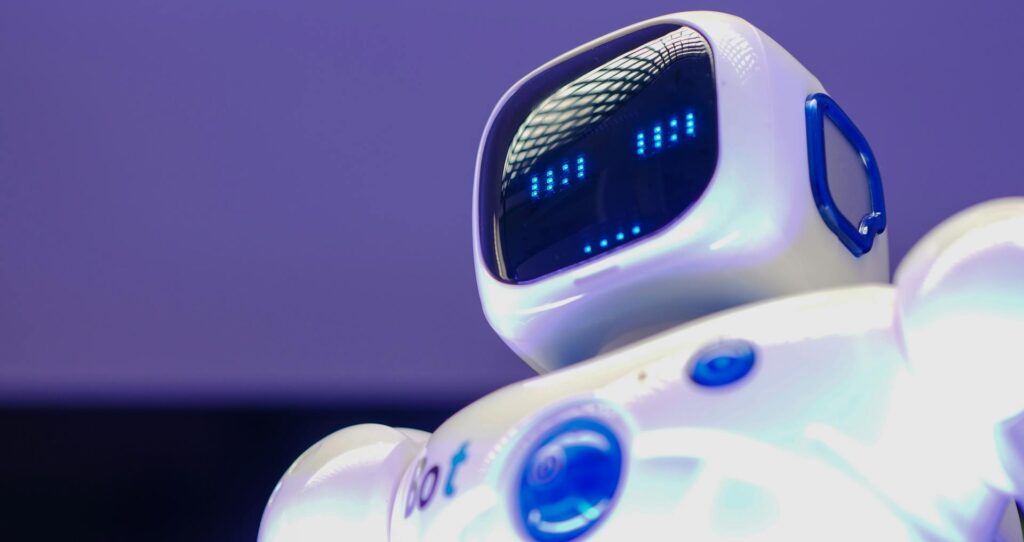
So, What Did This AI Bot Teach Me?
That tech isn’t about intelligence.
It’s about humility.
About building tools that respect people — their time, their culture, their pain.
About recognizing that India’s tech talent isn’t a “cost-effective” alternative. It’s a context-rich, battle-tested force ready to build products for 1.4 billion people.
If you let them.
Bet on Builders, Not Buzzwords
Everyone talks about AI.
Fewer talk about access.
Even fewer talk about trust.
We built a bot that helped patients find care, doctors find patterns, and engineers find meaning. That last part? That’s what no funding round, no TechCrunch headline can fake.
If you’re a founder building with AI in India:
✅ Hire for hunger.
✅ Listen more than you lead.
✅ And remember — your best asset isn’t your code. It’s the coder who cares.